The Laliguras School: A Resilient Vision for Education in Nepal

In the wake of natural disasters and geographic challenges that disrupt learning across Nepal, the Laliguras School prototype offers a hopeful and practical vision for the future of education. Named after Nepal’s national flower, a symbol of prosperity, the design emphasizes resilience, adaptability, and community strength.

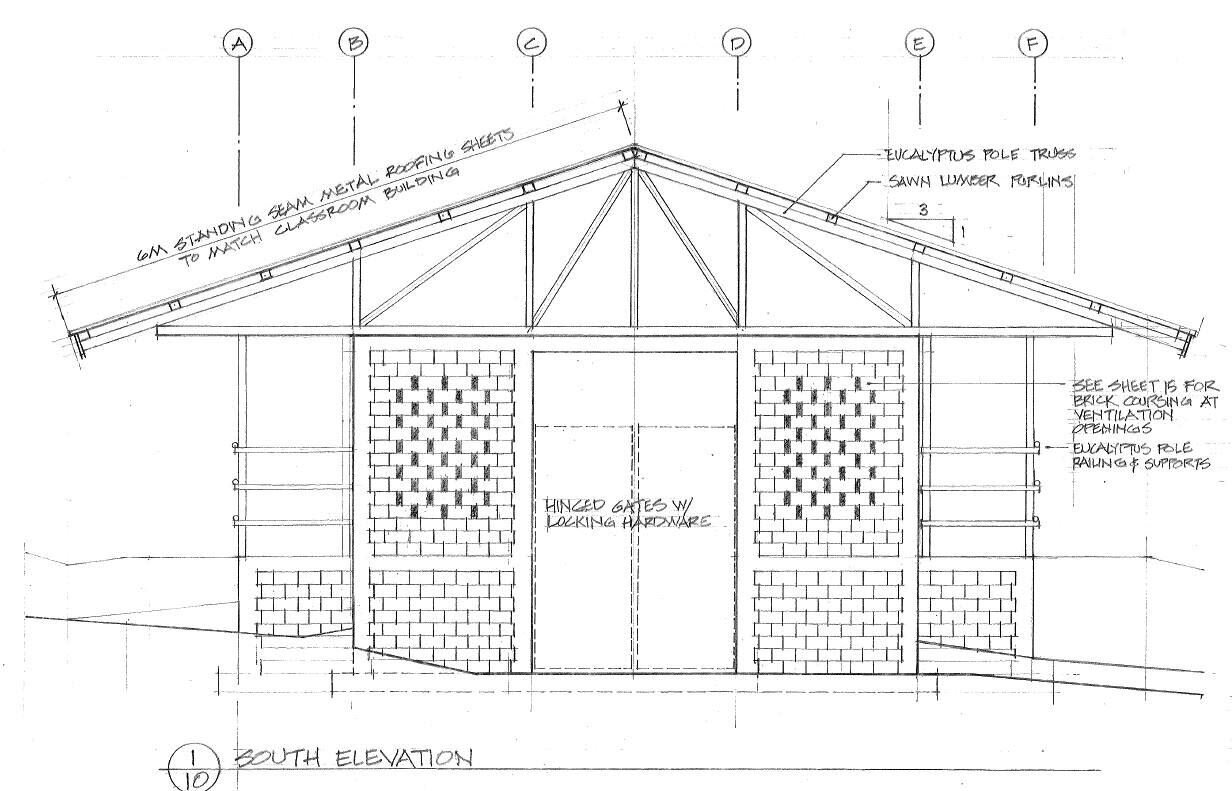
The concept centers around a seven-meter square classroom module, organized around a shared courtyard and connected by open verandas. This modular approach ensures construction efficiency, flexibility for future growth, and a consistent learning environment that supports both students and teachers.

Inspired by Nepal’s traditional architecture, the Laliguras School integrates familiar elements such as arched openings, circular motifs, and sunlit courtyards. Its form honors regional aesthetics while enhancing comfort and safety. Elevated floors, steeply sloped roofs, and bioswales protect against monsoon impacts, while reinforced earthen walls and triangulated structural ties improve earthquake resilience.

Every detail reflects sustainability and self-reliance, using locally sourced materials, solar energy, rainwater harvesting, passive ventilation, and gardens that nourish both minds and bodies. The result is a climate-responsive and low-impact framework that communities can build and maintain themselves.

The Laliguras School is more than a building. It is a foundation for opportunity, designed to help education take root and flourish throughout Nepal’s diverse landscapes.

Architects Without Borders Oregon is proud to support design concepts like the Laliguras School that empower communities, promote resilience, and create lasting change through thoughtful architecture

Elder Cottage Housing Opportunity (ECHO)

AWB is partnering with The Home Foundation of Centre County, Pennsylvania to design a prototype Elder Cottage, a modular, movable living spacelocated in the yard of an elderly person's family member or friend as an affordable, income-based alternative to an assisted living facility. The project involves solving challenges related to energy efficiency, accessibility, transport, and making an attractive and comfortable home in the most efficient space.

Hope School Masterplan
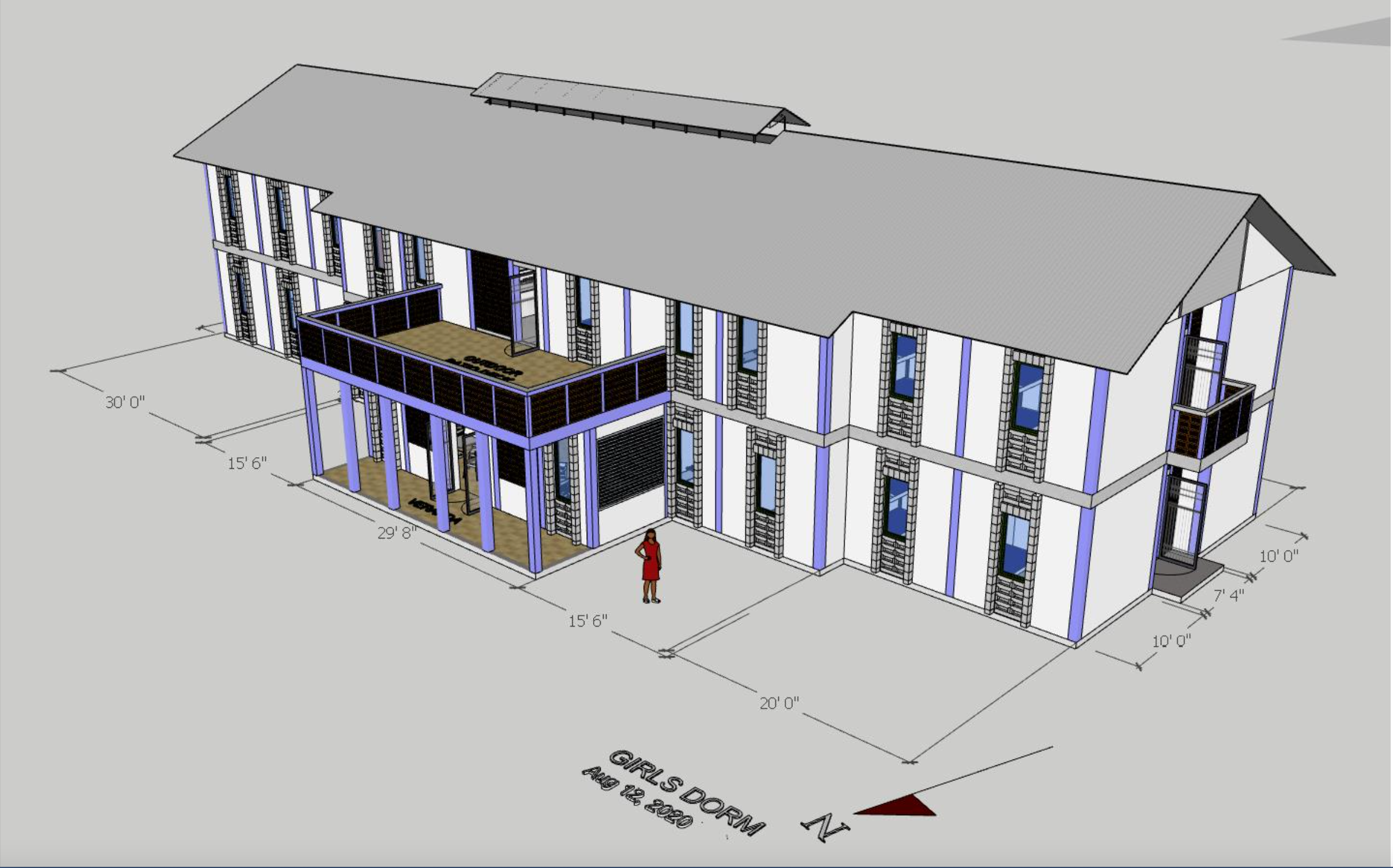
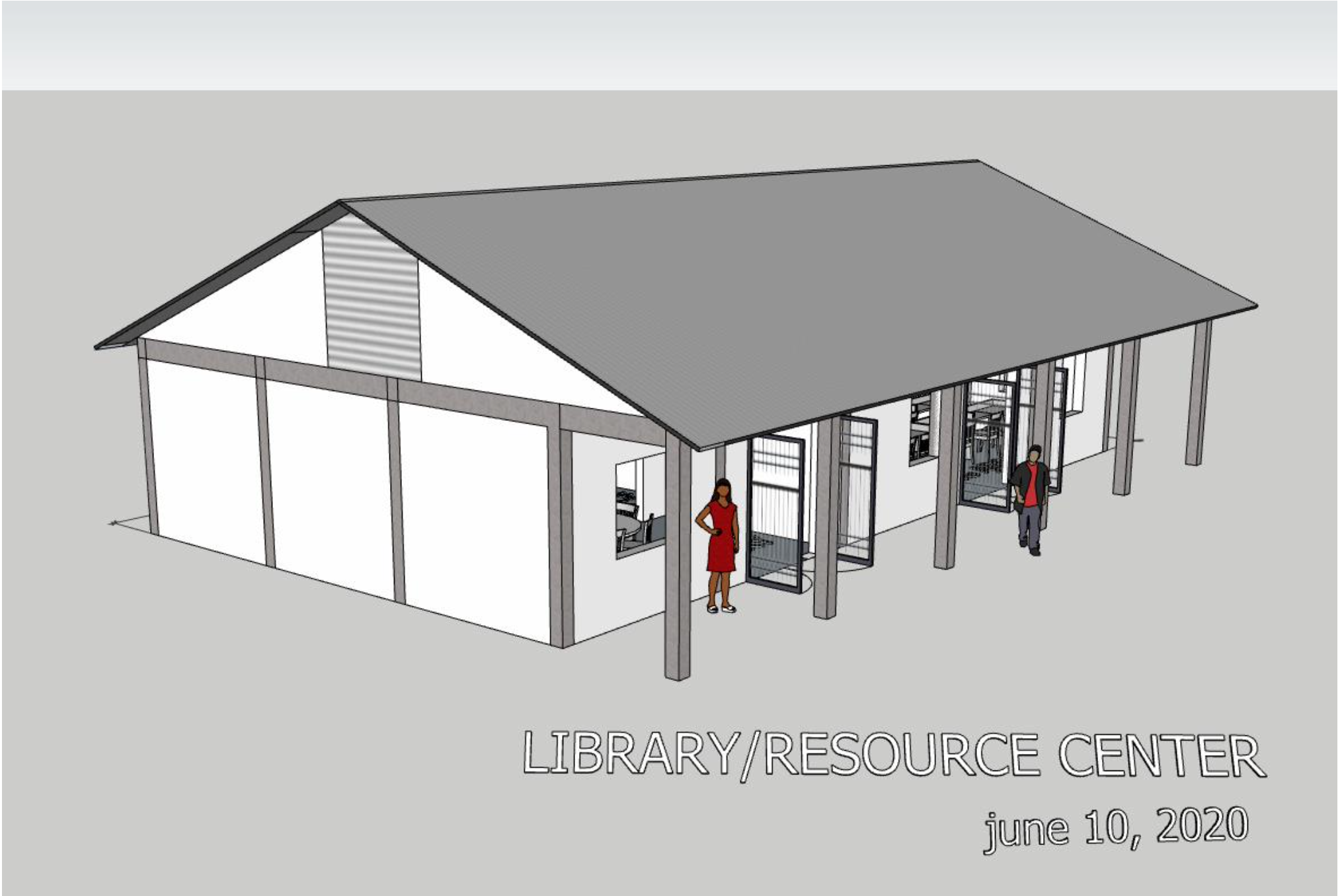
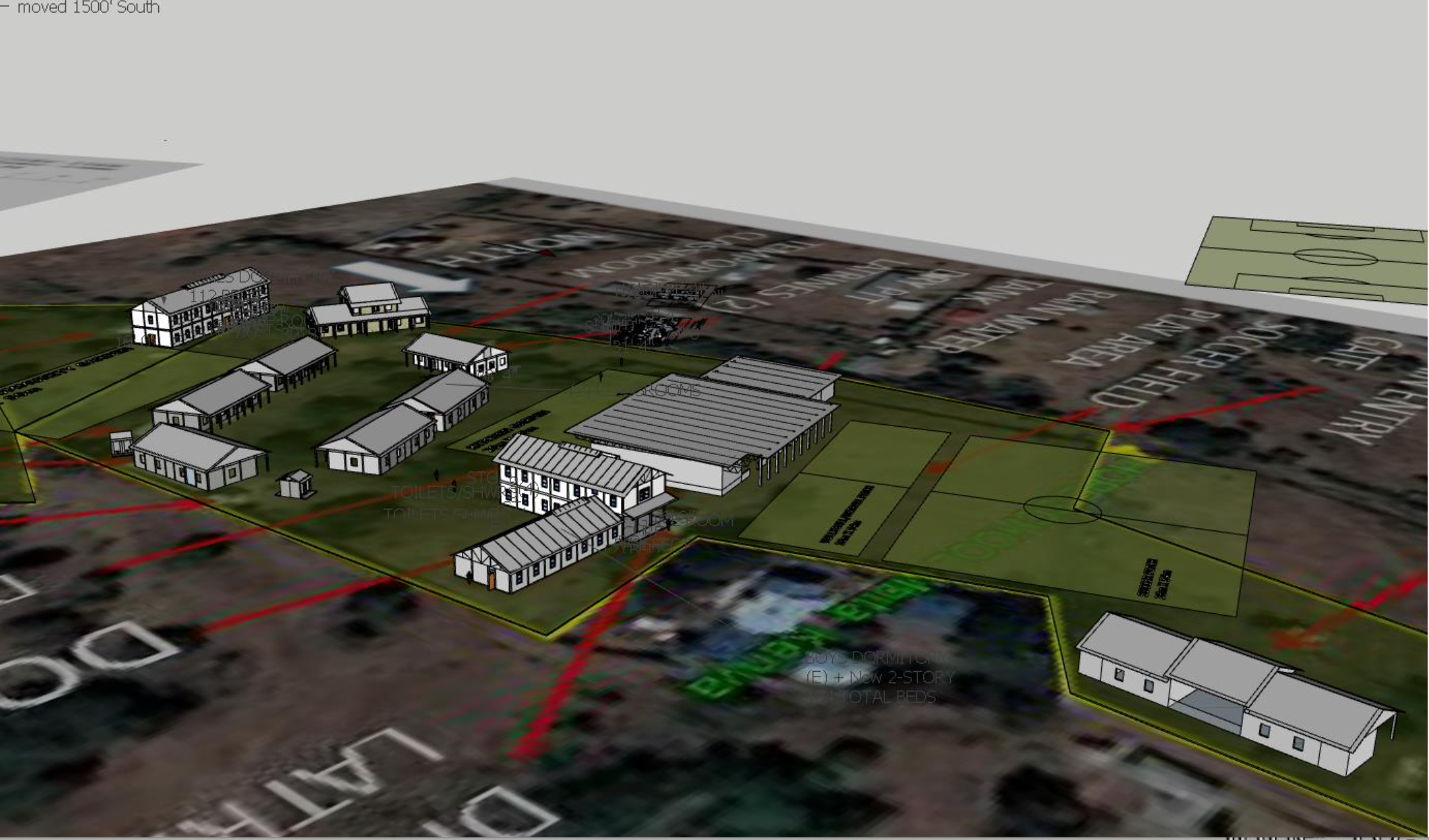
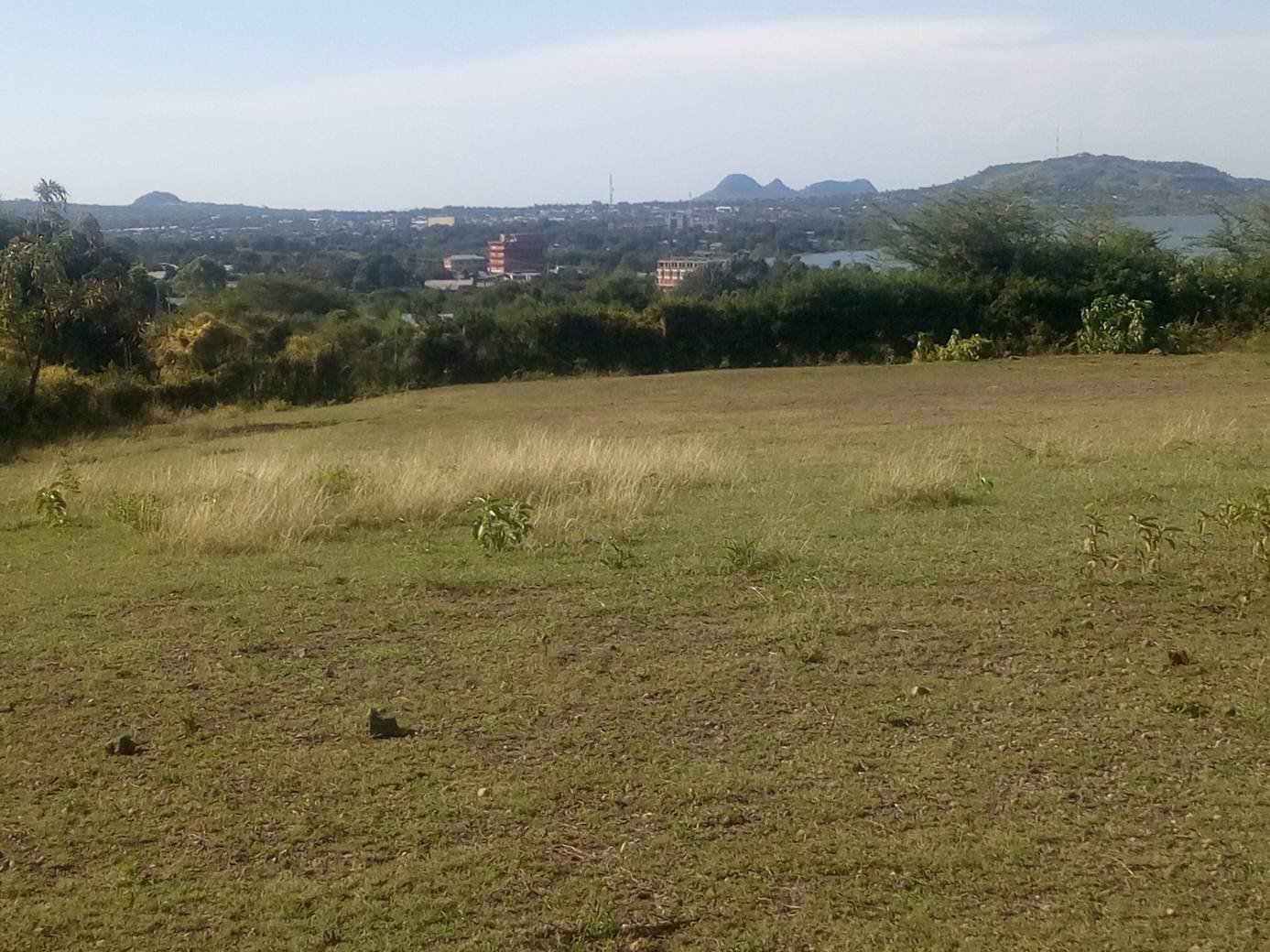
AWB has developed a detailed architectural program for Hope School in Mbita, Kenya and conceptual plans for a dining hall/performance space, dormitories for 200 children, pre-school and grades school classrooms for 600 students, library and computer training classroom, administration and staff offices, and faculty and guest teacher housing. Work is on hold while the client assembles preliminary pricing and obtains a detailed boundary survey.
Withergreen School Masterplan

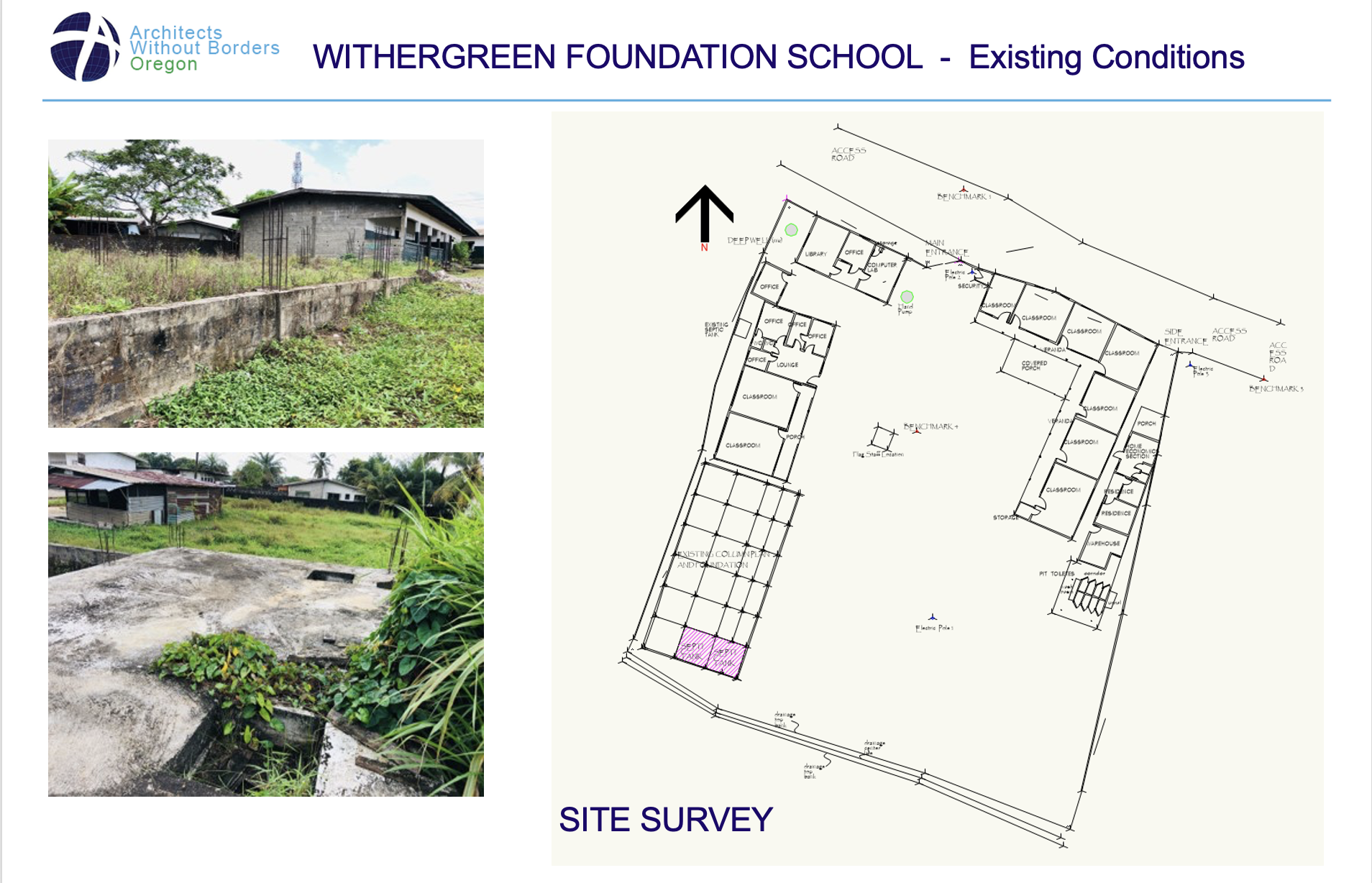
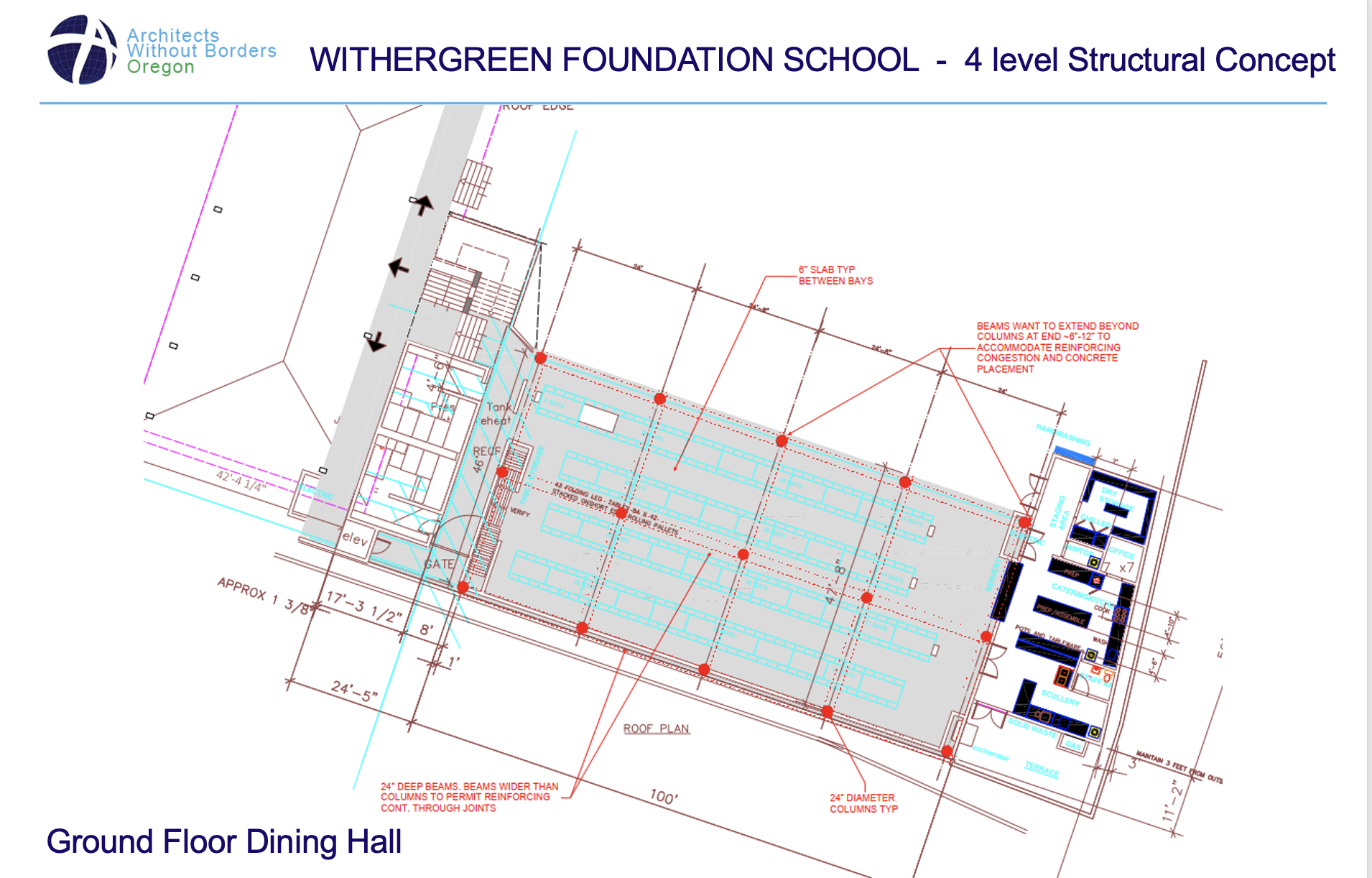
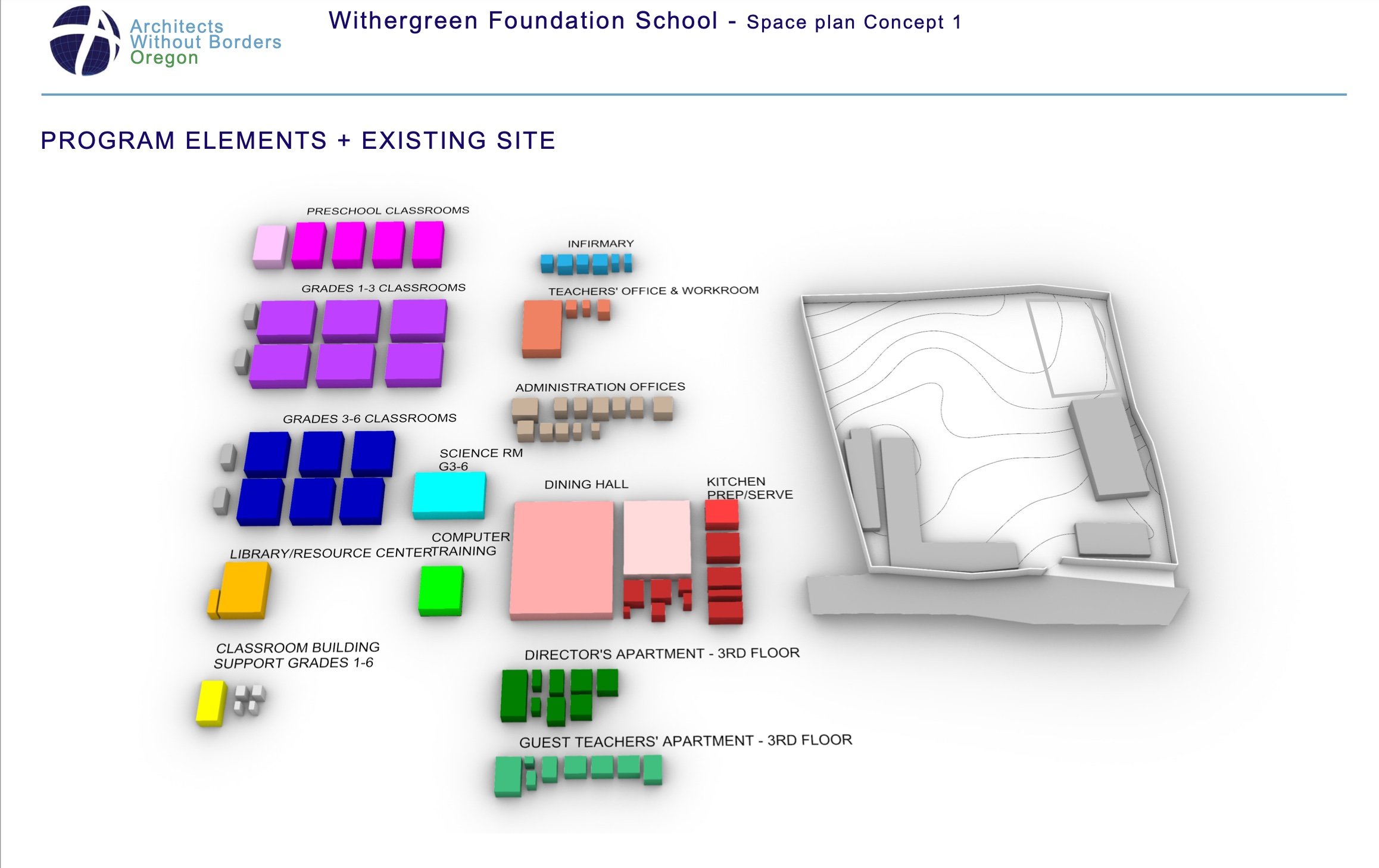
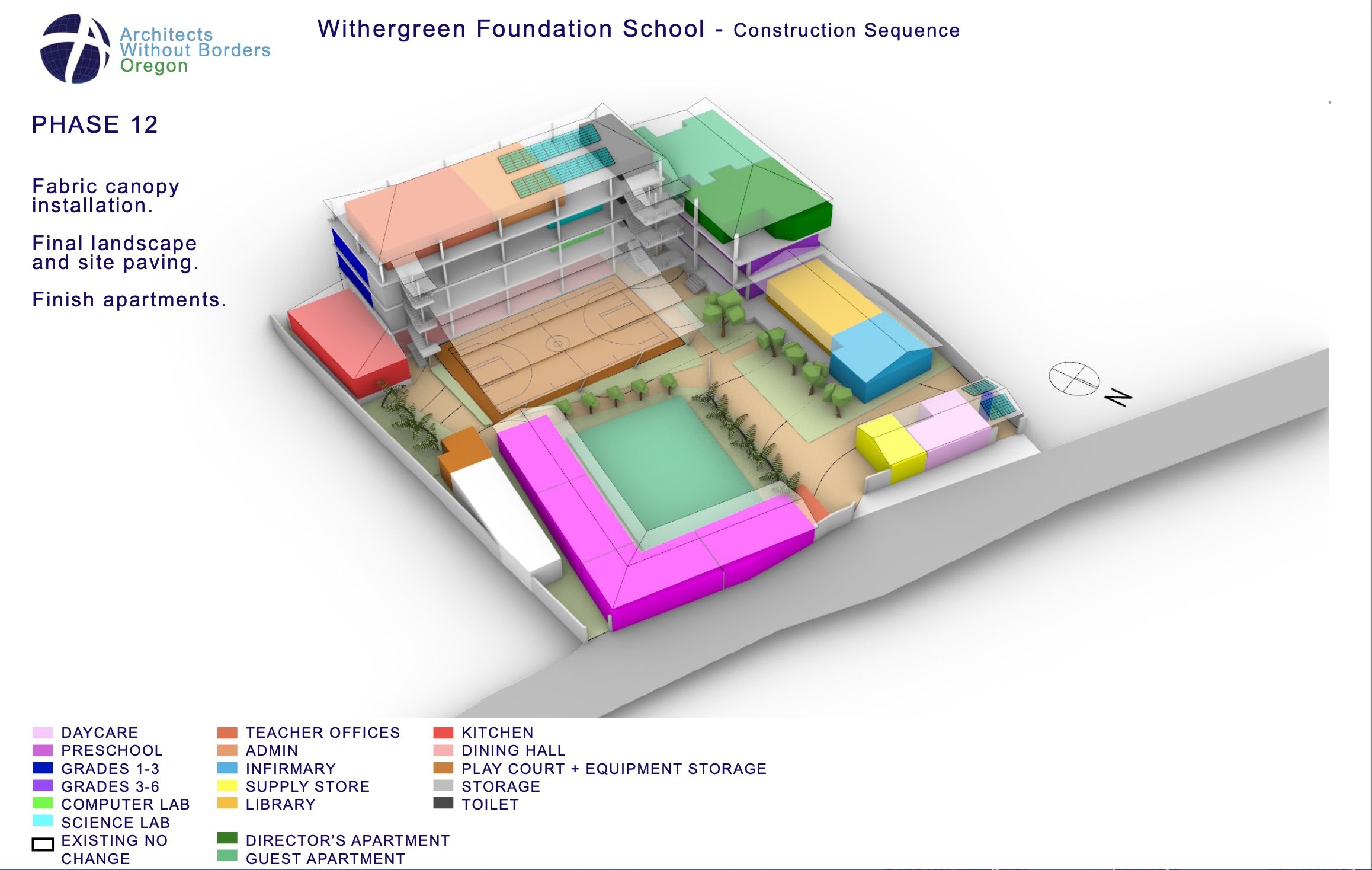
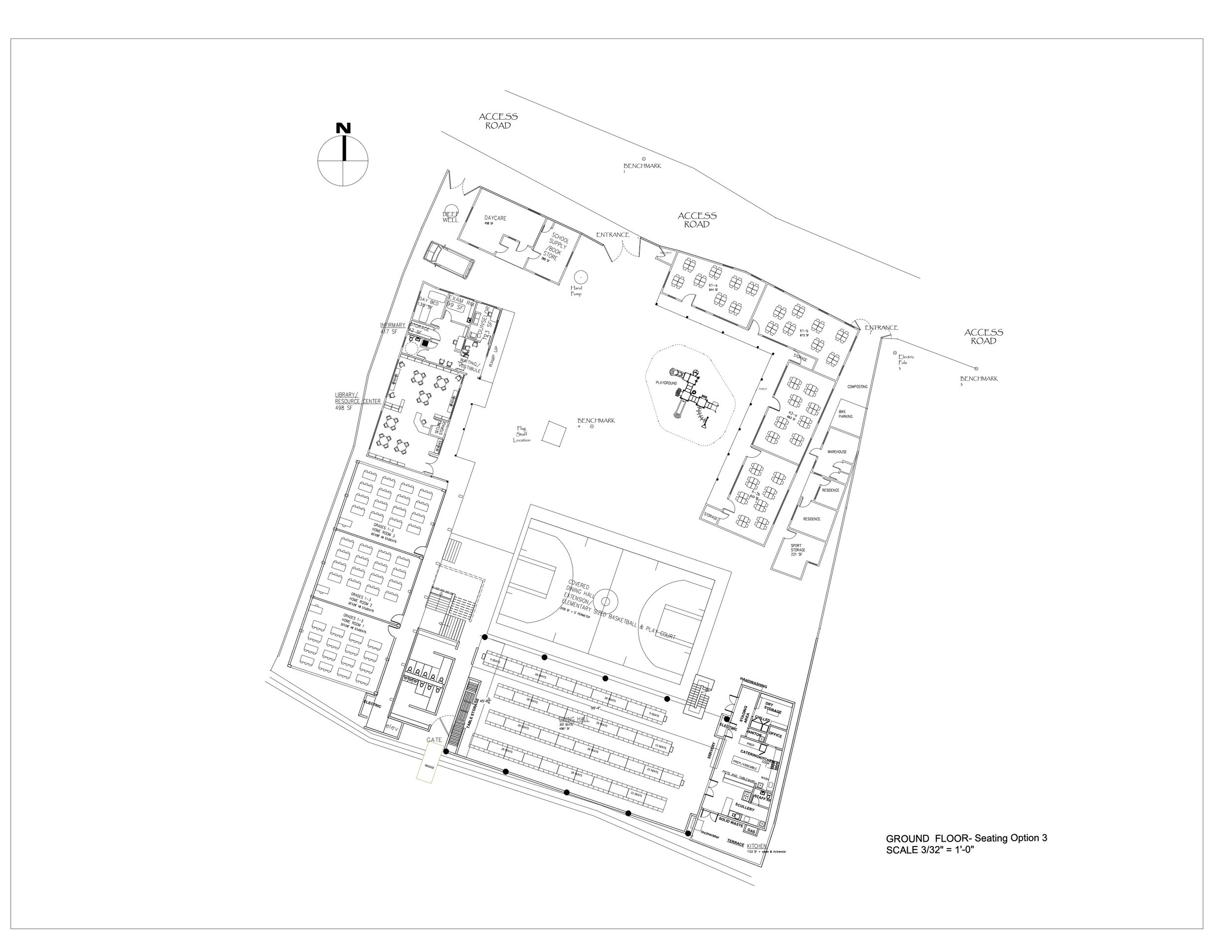
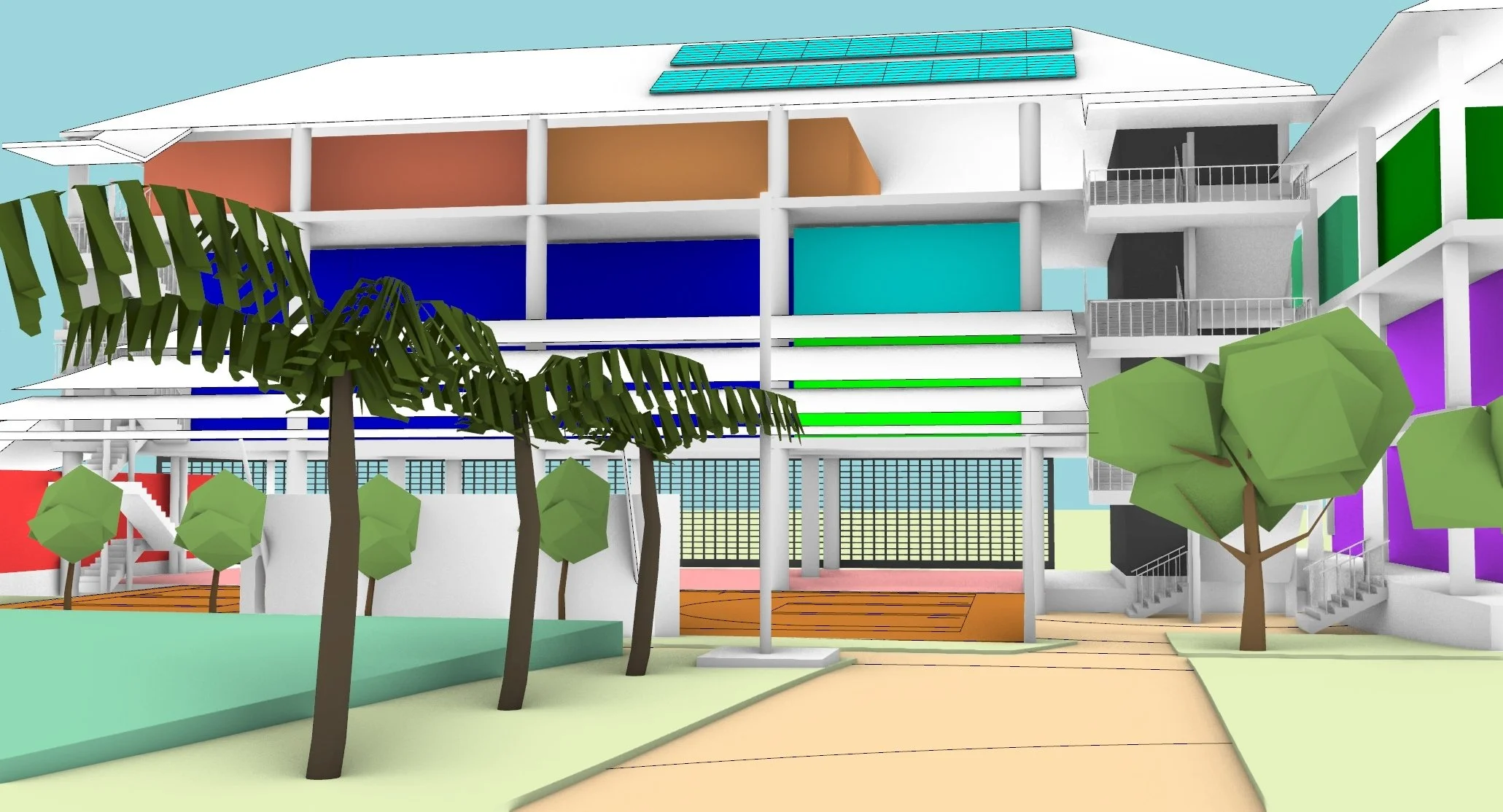
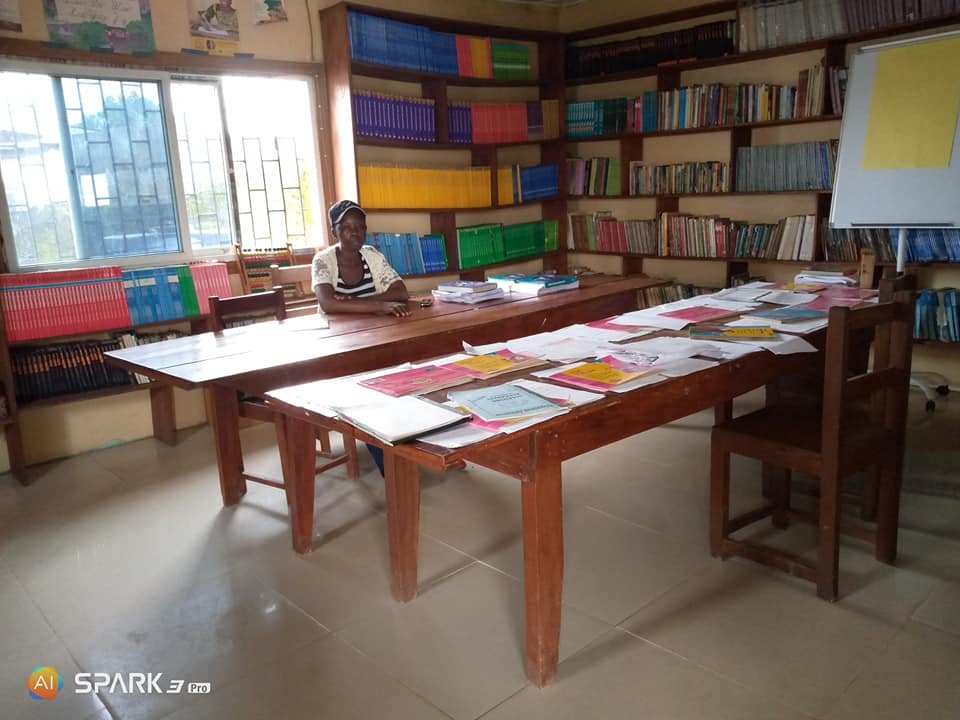
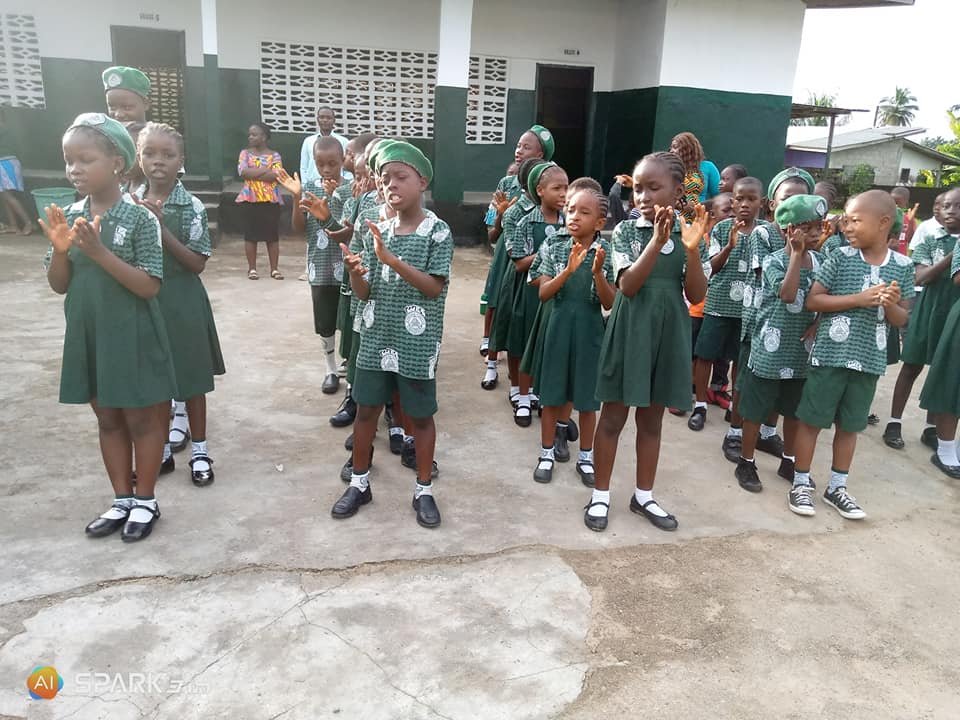
Architects Without Borders-Oregon is designing a 10-year masterplan for the non-denominational Withergreen Foundation School near Monrovia, Liberia. Withergreen is an existing institution that will be expanding from 200 to 600 students on a campus that is situated on a compact site in an existing neighborhood. The expansion will include five additional classrooms, a community hall, a library, a science and IT lab, landscaped outdoor recreation space, and space for gardening and agricultural arts.
School for Deaf Children

AWB-Oregon is providing design services for the School for Deaf Children in Les Cayes, Haiti. A new campus, designed to serve 60 deaf and hard of hearing students, will include gardens, boarding facilities, and six classrooms.

Ethiopia Project

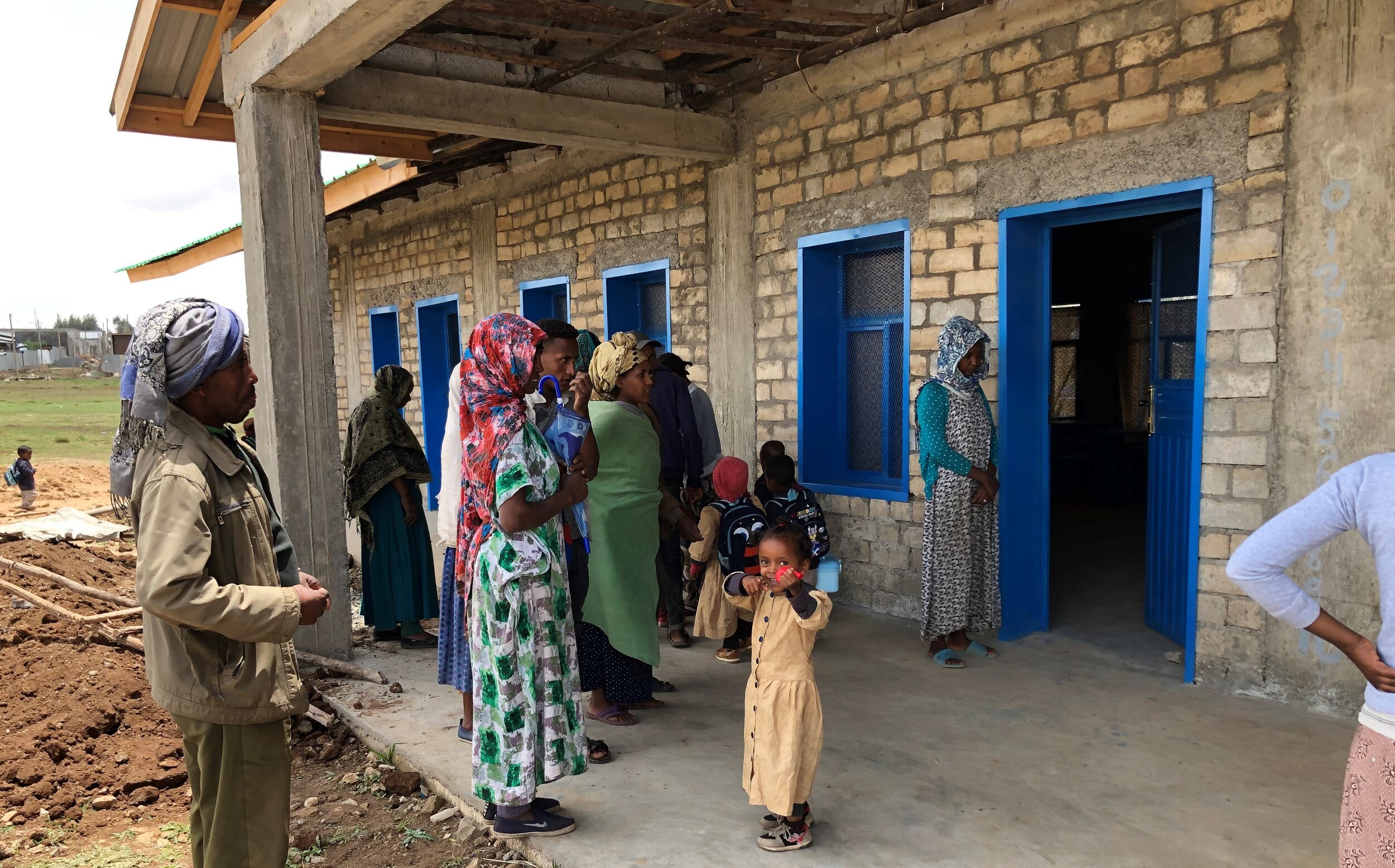
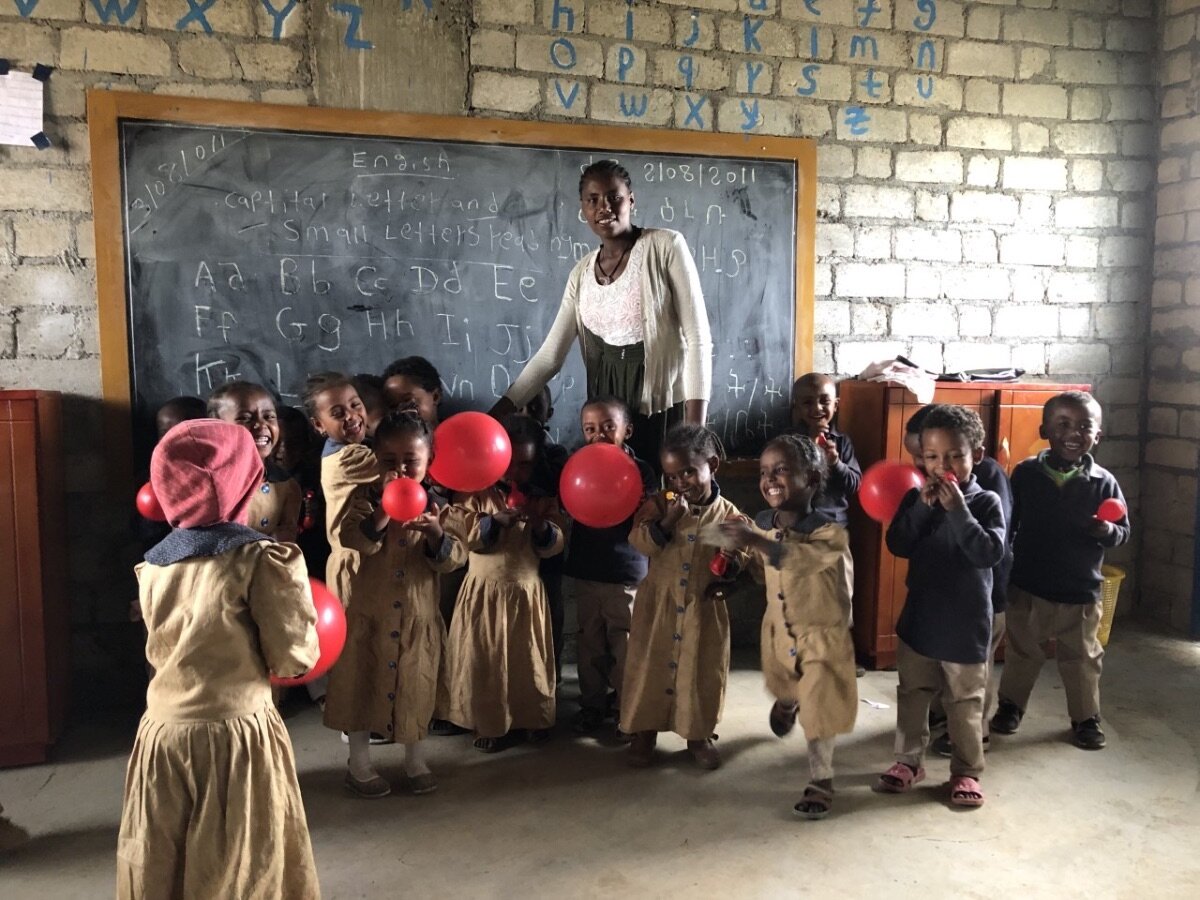
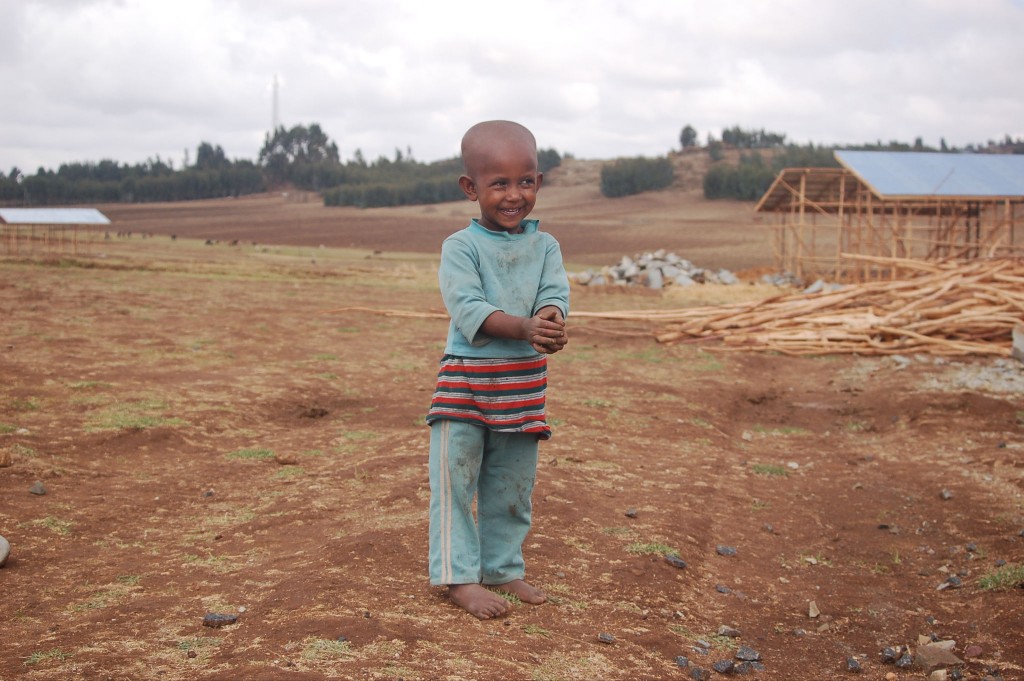
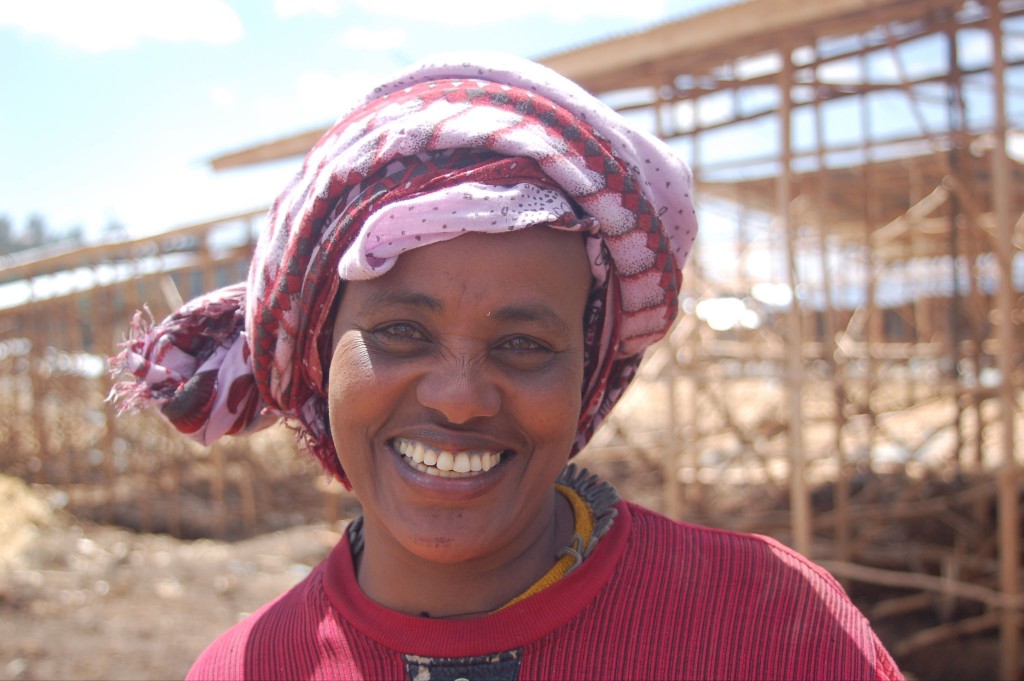
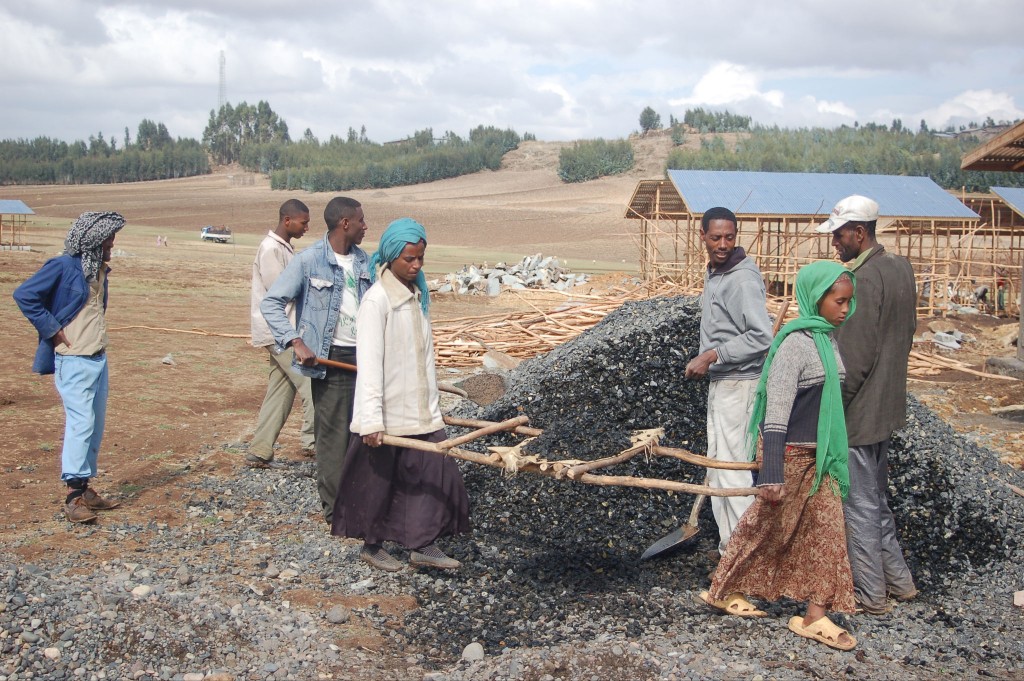
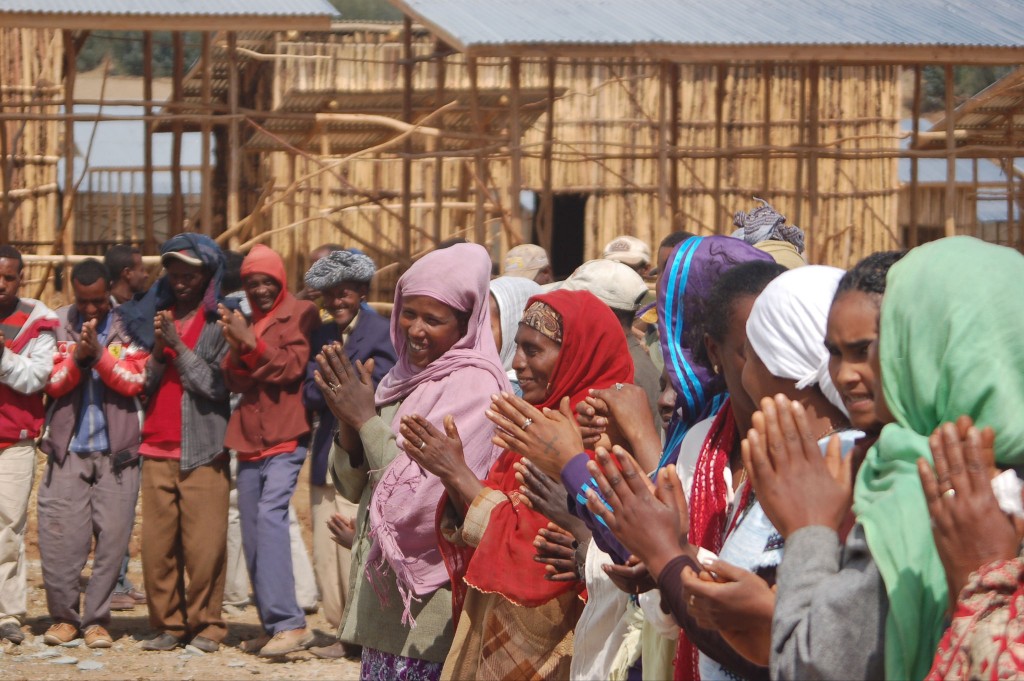
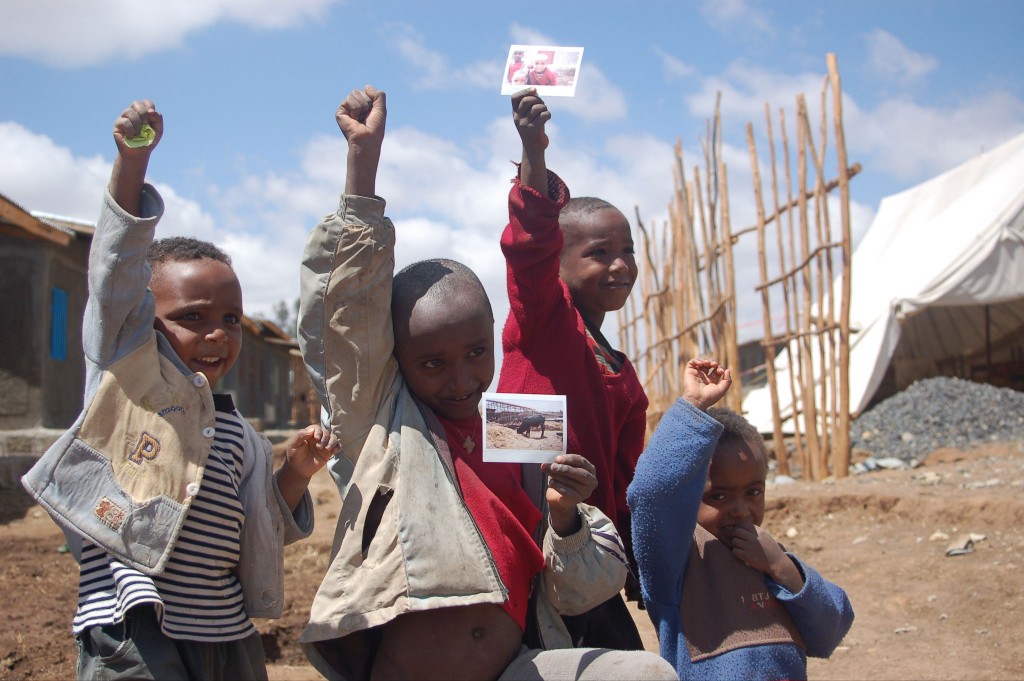
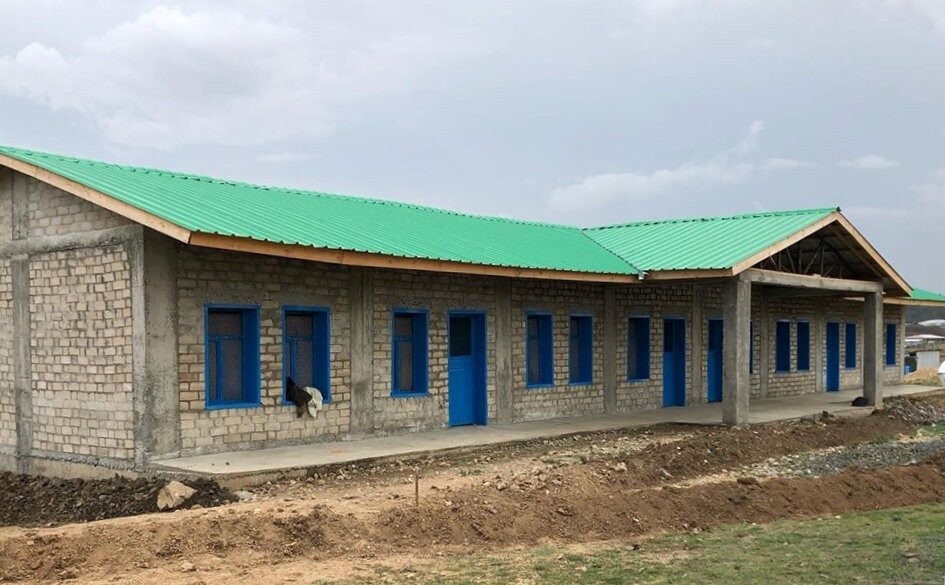
The city of Debre Birhan, Ethiopia, is experiencing rapid growth as people move from the countryside to the city. The Community Project is a non-profit organization dedicated to creating a school to serve new residents living on the perimeter of this fast-growing city. Architects Without Borders – Oregon has supported this work with campus planning and building design assistance since 2014, working in collaboration with an Engineers Without Borders group in Portland, Maine. The first of five planned classroom buildings was completed in the summer of 2018, with four classrooms that now serve over 100 students. AWB-OR has produced drawings for the construction of a composting latrine building to serve the school and is currently updating the classroom building documents to incorporate lessons learned during construction of the first building.

For more information on the project, please visit: www.communityproject.org
buildOn Nepal

Architects Without Borders – Oregon is helping to design sustainable schools in rural Nepal through a partnership with buildOn, a non-profit dedicated to bringing education to children in the poorest and most remote communities in the world. AWB-Oregon has worked with buildOn in the past to redesign a prototype school for Haiti, making the new school more structurally sound, better suited to the climate, and a better learning environment for the students. The success of this past project has led to the current work in Nepal. BuildOn has already constructed 101 schools in Nepal and is working with AWB-Oregon to make the next 100 schools even better. AWB-Oregon’s Nepal design consists of three classrooms, consistent with buildOn's program requirements, and will be constructed of reinforced concrete, masonry, steel joist and uPVC roofing. The new schools in Nepal will begin construction in early 2014.

buildOn Haiti Prototype School

For rural locations in Haiti, AWB-Oregon designed a prototype elementary school consisting of three classrooms intended to accommodate as many as 50 children per room. Nonprofit buildOn has completed a dozen schools using this new design which emphasizes structural integrity, natural light, and natural ventilation. AWB continues to assist buildOn in Haiti by devising seismic upgrades for schools built before buildOn began using the new AWB design.